
Clayton County Traffic Warrants Explained
Iowa keeps its clearest citation-to-warrant rule in Iowa Code section 805.5. It reads simply. A citation tells you when to appear. Skip that date willfully and the miss itself becomes a simple misdemeanor. The court then issues an arrest warrant. The clerk forwards the warrant and citation to the issuing agency's docket for enforcement. If an arrest follows, the original citation and the failure-to-appear matter can return to court together. Wording matters here too. People say traffic warrant or bench warrant, but the statute says arrest warrant for a missed appearance. Capias and capias pro fine are not standard terms in Iowa or on a Clayton County docket. Match the phrase your docket uses. A missed date starts the warrant process, while unpaid court debt carries its own collection and license consequences.
Search Clayton Traffic Cases by Citation
The Iowa Courts Online payment and citation search gives Clayton County two paths. By Name asks for case type and county, plus a first and last name. A partial citation-number field sits nearby. Officials want at least two letters of each name, or the last four to six citation digits. Enter more characters for accuracy. By Case or Citation Number requires Clayton County and the complete case ID or complete citation number.
| Search path | Useful fields | Limit |
|---|---|---|
| By Name | Case type, Clayton County, first and last name | Name matches require docket review |
| Partial citation | Last four to six digits | More digits improve accuracy |
| Case or citation | County and complete ID | Requires the full known number |
Treat it as a payment and case search. It offers no traffic-warrant-only filter for Clayton County and no live law-enforcement status.
Checking for a Traffic Warrant
A complete Clayton County traffic warrant check works every official channel that holds part of the answer. Start with Iowa Courts Online. Read any failure-to-appear, warrant-issued, return, recall, hearing, disposition, or payment event as a lead worth pursuing. Then call the Clayton County Clerk of District Court at 563-245-2204 for court status. The office sits at 111 High Street NE, Suite 203, Elkader. Published hours run 8:00 a.m. to 4:00 p.m. on weekdays.
- Choose Clayton County and search your own name, full case ID, or citation number.
- Record the exact case number and docket words without assuming “active” status.
- Ask the clerk about the current setting, warrant event, payment route, and any appearance requirement.
- Call the issuing police agency or Clayton Sheriff at 563-245-2422 for current enforcement routing.
- Speak with an Iowa attorney if safe appearance or surrender advice is needed.
The public sheriff site has no dedicated warrant-unit line or online traffic-warrant list.
New Clayton Traffic Citations Take Time
A fresh citation rarely appears at once. Iowa Judicial Branch material points to a posting period of about 10 to 14 days. The payment interface frames it as 14 to 21 days. Weekends and holidays stretch the wait. A blank result inside that window proves nothing about the ticket, the court date, or a possible failure-to-appear event. Other culprits hide in the search itself. The filing county may be wrong, the case type off, the number incomplete, or the ticket a city-parking matter. Data entry can slip too. Postville straddles Clayton and Allamakee counties, so a ticket tied to Postville may sit in either court file. Search by the full number when you have it. Once the published time has passed, call the clerk who holds the record instead of guessing again in the form.
Key Point: A blank citation search is not proof that no Clayton County traffic warrant exists.
Inside a Traffic Warrant Record
A public Clayton County traffic case can show the county, citation or case number, citation date, issuing agency, alleged violation, and scheduled response date. It also notes whether a court appearance was required. Later docket entries may add a failure-to-appear event, warrant issuance, a financial assessment, a payment plan, the next hearing, a return, or a recall. Visibility varies by case and confidentiality rule.
| Reference | Fictional sample STA-000000, not a real Clayton County case |
|---|---|
| Origin | Filing county, citation date, and issuing agency |
| Court step | Appearance-required flag, setting, FTA event, and warrant event |
| Financial step | Fine, fee, plan, or delinquent-debt entry when public |
| Current check | Next hearing and clerk or agency confirmation route |
Public docket data alone never settles current enforcement status. For Clayton County, the offices holding the file are the ones to ask.
Clayton Police Routes for Traffic Warrants
A city police department may write the citation. But the unified Iowa District Court holds the traffic docket. Police can route non-emergency enforcement questions. The district clerk confirms filed events and court instructions. Clayton County dispatch serves several communities, so a case number and the filing county matter more than a city name. The Postville Police page posts its official non-emergency and emergency contact routes.
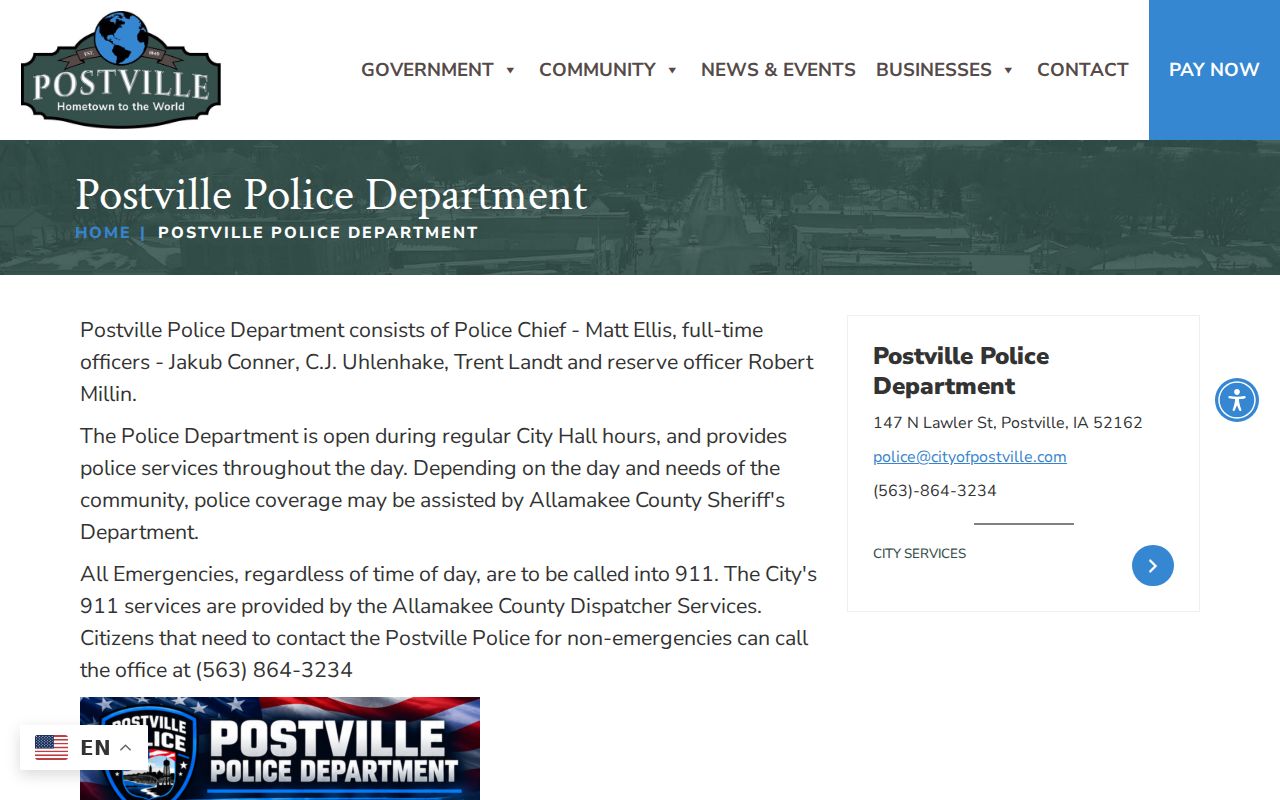
Postville crosses county lines. A local police call cannot tell you whether Clayton or Allamakee County holds the court file. The Guttenberg public-safety page routes dispatch through Clayton County Communications.
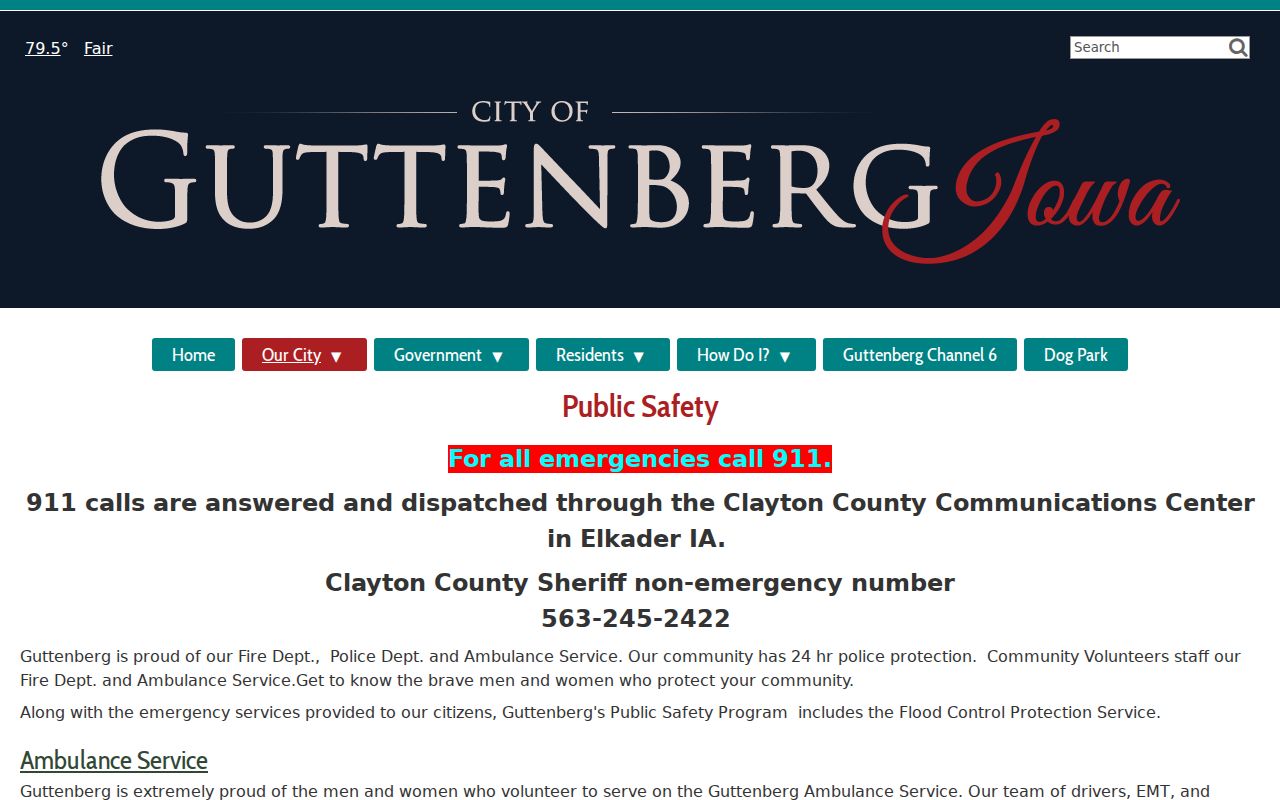
That shared dispatch route helps you reach the right agency, while the Clayton County clerk remains the source for the court docket itself.
How to Pay or Lift a Traffic Warrant
Know what you owe before you touch a payment screen. A Clayton County traffic warrant can sit beside several separate items: the citation itself, a willful failure-to-appear charge, court debt, and any license action. Each may need its own step. The Iowa Judicial Branch Pay a Fine page is blunt about one trap: paying online counts as a guilty plea. If the citation says court appearance required, go to court instead of treating the payment screen as a way to close the case. Call the clerk and ask whether payment is allowed, whether an appearance is already set, whether a lawyer should handle the failure to appear, and how the court records a recall. A receipt only proves payment. Recall is a separate act by the court. At an appearance, a judge can set a payment plan, and the state page puts the minimum at $50. Debt sent to an outside collector can grow by up to 25 percent. Those are debt terms, not warrant bond amounts, so a Clayton County defendant should not read them as what it takes to clear the warrant.
Warning: Confirm recall with the court after payment or appearance; a paid balance alone does not prove the traffic warrant is no longer active.
Clayton Traffic Debt Is Not Status
Delinquent court debt reaches further than the wallet. For traffic offenses, the Iowa DOT can suspend a license once a balance sits unpaid after 30 days, and a registration or license can stay suspended until a payment plan is arranged. Those are debt consequences, though, not warrant records. The reverse trap matters too. Paying the balance may not clear the failure-to-appear count or withdraw the warrant itself. So ask the district clerk about each item separately: balance, plan, required appearance, warrant status, and recall. A receipt proves payment, not recall. Do not use the Clayton County Sheriff's online payment page here; it handles jail room-and-board and civil payments, not a traffic-warrant bond or a district-court citation. Note: The filing-county clerk is the safest first stop for telling financial entries from warrant events.
Traffic Warrants, FTA, and License Holds
These terms travel in a pack, but each one names a different record. FTA stands for failure to appear. Under Iowa section 805.5, a willful FTA on a citation can bring a simple-misdemeanor charge plus an arrest warrant. A license or registration hold, by contrast, grows out of delinquent court debt. And the IOWA System stays closed to the public because it serves criminal-justice agencies, not self-searches. A Clayton County lookup runs through the court and sheriff instead.
| Item | Who records it | What confirms it |
|---|---|---|
| FTA court event | District Court docket | Clerk and public case entry |
| Traffic arrest warrant | Court and enforcement agency | Clerk plus sheriff or issuing police |
| Debt balance or plan | Court financial record | Clerk and official payment system |
| License or registration effect | Iowa DOT-related process | Official state status channel after court action |
Clearing one row does not clear the rest. Get explicit confirmation on each status from the Clayton County clerk.
Clayton Traffic and City Parking Differ
City parking tickets live outside the Iowa state Pay a Fine service; the Judicial Branch sends those payments to the city clerk. A scheduled traffic violation filed in District Court follows the county clerk and court path instead. The phrase "municipal infraction" does not create a separate municipal criminal court in Clayton County, since Iowa runs one unified trial-court structure. The Monona Police page shows the city route, with 24-hour county dispatch behind it.
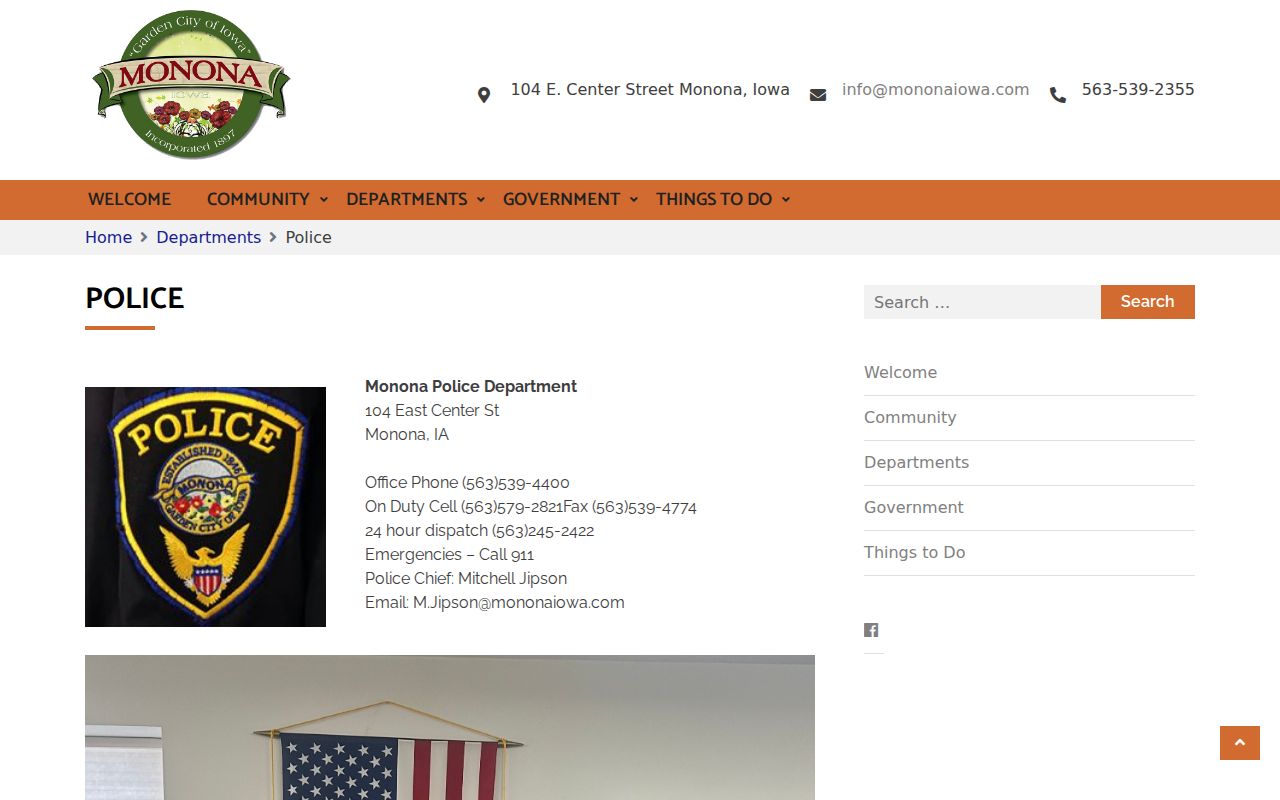
Police can point an issuing-agency question the right way, but city administration handles local parking while the district clerk handles filed traffic cases. Elkader's department page names the county-seat police channel.
The nearby police and court offices each carry different duties. Point record questions to the clerk, and enforcement questions to police or the Clayton County sheriff.